
Dryer Lint: The Fire Hazard Hiding in Your Laundry Room
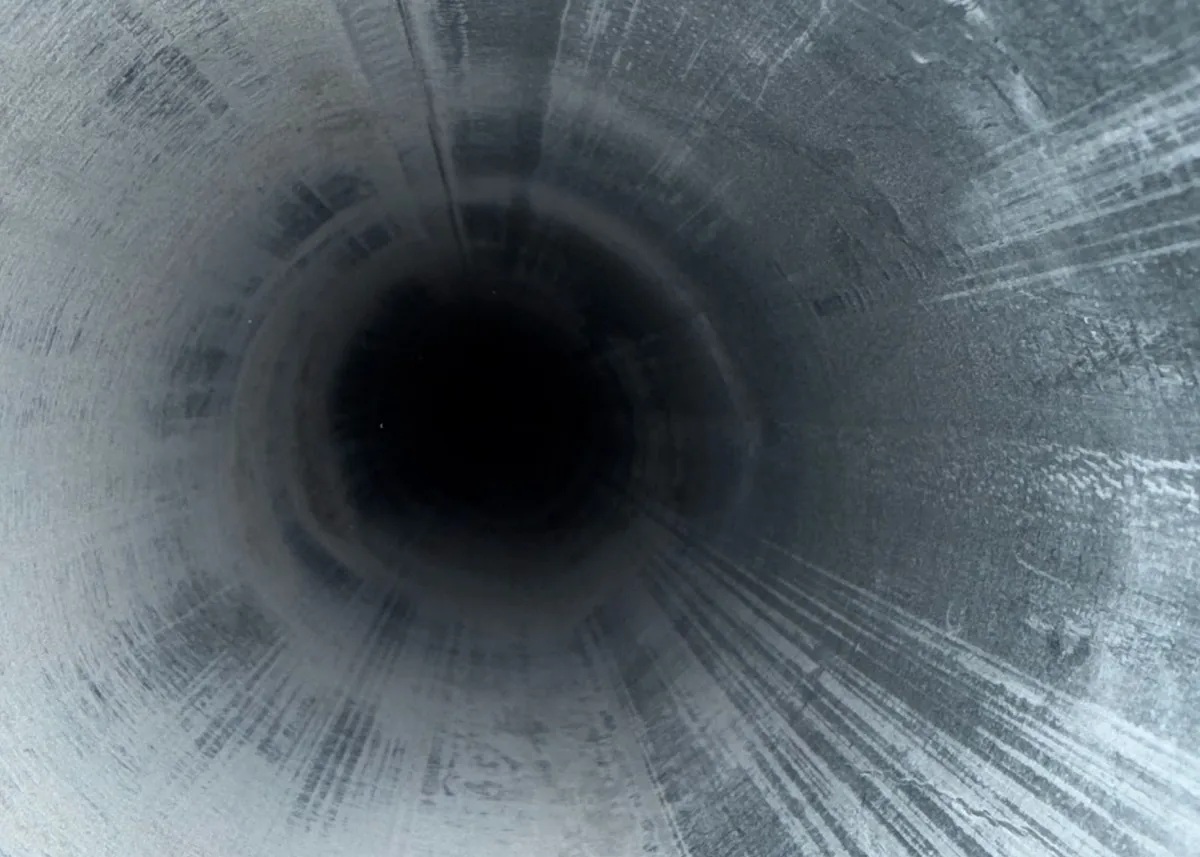
Of all the fire risks in a home, the clothes dryer is the one almost nobody takes seriously — and one of the few that's almost completely preventable. Fire-safety agencies consistently rank dryers among the leading causes of home fires, and the single biggest factor is the same every year: failure to clean. Here's how the risk actually builds, and how to remove it.
How a dryer becomes a fire hazard
Every load of laundry sheds lint. Your lint screen catches part of it — the rest rides the hot, moist exhaust air into the vent duct behind the machine. There it cools, settles, and compacts, load after load, month after month. Lint is essentially shredded cotton and synthetic fiber: one of the most flammable materials in your house, packed inside a tube designed to carry heat.
As the duct narrows, airflow drops. The dryer's heating element works harder and longer, exhaust temperatures climb, and heat builds exactly where the fuel is packed. All that's missing is an ignition point — an overheated element, a spark of static, a failing component. This is why a blocked vent isn't a maintenance nuisance. It's a fire waiting for a bad day.
The warning signs your dryer is choking
A restricted vent announces itself well before it becomes dangerous. Watch for these signs:
- Clothes need two cycles to dry — the clearest, most common signal
- The dryer's outer shell and the laundry room feel hot during use
- A faint burning or "hot fabric" smell while the machine runs
- The exterior vent flap barely moves, or lint collects around it
- Clothes come out hotter than usual at the end of a cycle
- Humidity or a damp feeling in the laundry room when drying
Any one of these is your dryer telling you its exhaust path is restricted. Two or more means stop and deal with it now.
Why the lint screen isn't enough
Cleaning the lint screen every load is essential — and completely insufficient on its own. The screen catches the large visible lint; the fine fibers pass straight through and accumulate in the duct where you can't see them. Homes with long vent runs, roof terminations, or older flexible foil ducting collect this hidden lint dramatically faster.
That accordion-style foil duct deserves special mention: its ridges trap lint at every fold, it crushes easily behind the machine, and it's the material most often involved when vent problems become fires. If your dryer still connects through shiny foil duct, replacing it with smooth rigid metal duct is one of the highest-value safety upgrades a home can make.
The maintenance routine that removes the risk
Dryer fire prevention is refreshingly simple, and it costs far less than people expect:
- Every load: clean the lint screen.
- Every year: have the full vent line professionally cleaned, from the dryer connection to the exterior termination — with airflow verified at the exit point.
- Once: replace foil or plastic ducting with rigid metal, and make sure the exterior flap opens freely.
An annual professional cleaning does more than remove the hazard — it restores your dryer's performance. Loads dry in one cycle again, the machine stops overheating, and its lifespan stretches. Most homeowners are surprised to find the cleaning effectively pays for itself in energy savings and avoided repairs.
Key takeaways
- Lint is highly flammable, and it accumulates in the vent duct where you can't see it
- Two-cycle drying, a hot laundry room, or a burning smell are warnings — not quirks
- The lint screen catches only part of the lint; the duct needs professional cleaning yearly
- Foil accordion ducts are the riskiest setup — replacing them with rigid metal duct is a one-time fix
When did your dryer vent last get a real cleaning? Book one now — it takes about an hour and removes the single most preventable fire risk in your home.
Keep reading
Why Summer Is the Smartest Season for Chimney Work
Smart California homeowners book chimney cleaning and repairs in summer. Better scheduling, dry weather for ma…
Read article → 5 min readWhy an Annual Air Duct Checkup Is Worth It in California
Dust, wildfire smoke, pets and leaks build up in California ductwork faster than you think. Here's what an ann…
Read article →